

Which is the right textile finishing: embroidery or print?
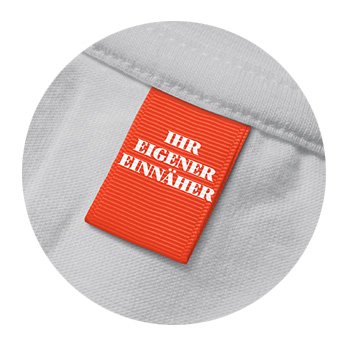
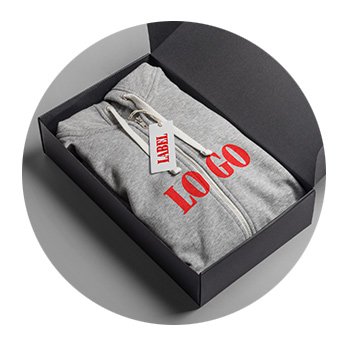
Take a look at the special options for creating aunique look for your corporate fashionand promotional textiles. With branded labels and elegant packaging, you can transform off-the-rack textiles into your own personal one-of-a-kind items. You StickManufaktur delighted by the textile finishing offered by StickManufaktur . Visit our shop now for your individually embroidered business attire and add your company logo to your employee clothing or have your caps embroidered.
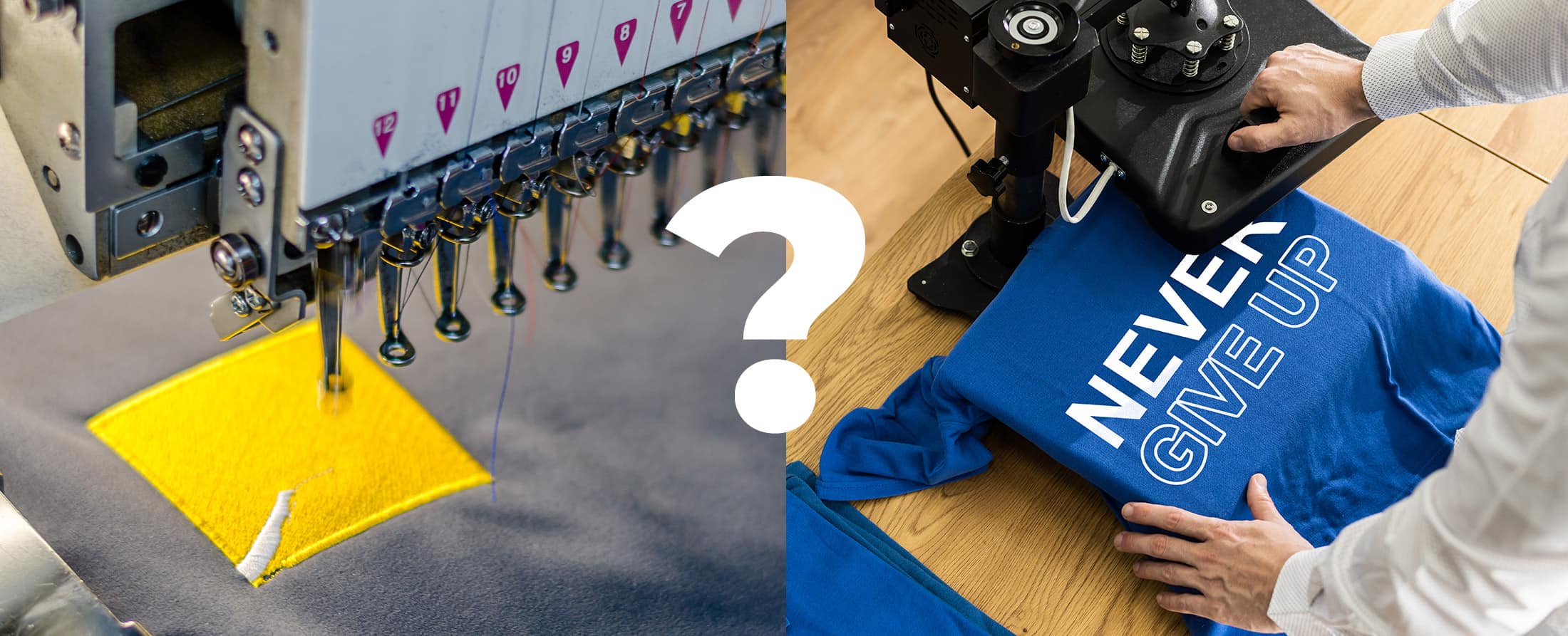
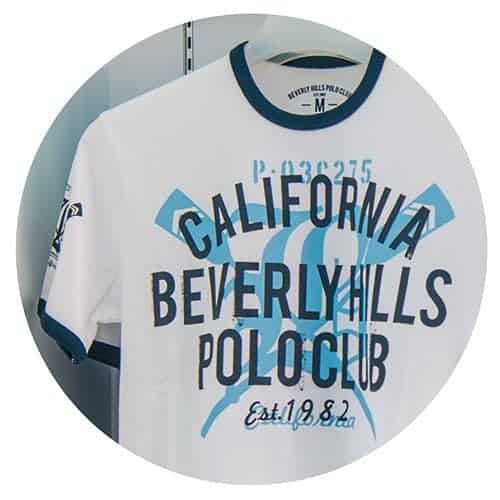
Printing on textiles
Would you like to personalize a large textile surface or finish a cap as inexpensively as possible? Then printing is often the right choice for finishing textiles. Thanks to our professional partner network, we can choose from several printing methods—tailored to your individual requirements:
- Digital printing: Shirts and other items can be produced in quantities as small as 20 pieces . Perfect for complex designs and color gradients without setup costs.
- Screen printing: We offer high-quality screen printing starting at 50 pieces at a fair price. Ideal for large print runs with high color depth and durability.
- Individual choice: Whether printing and embroidery or just one variant – we will advise you on which process is best suited to your logo.
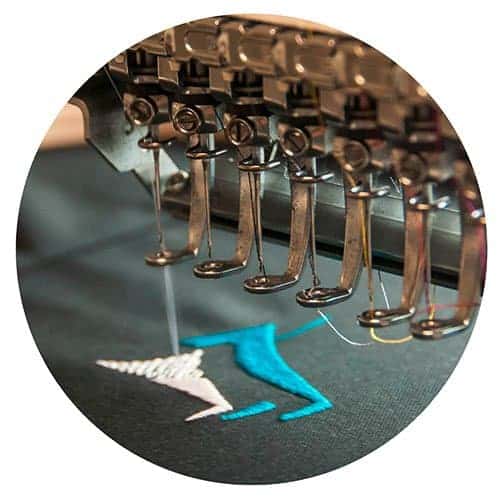
Embroidery on textiles
Traditional and high-quality: Detailed embroidery not only looks good, it is also particularly robust. Thanks to modern technologies, the threads are firmly woven into the fabric and can withstand all factors of wear and tear.
- Versatility: Embroidery is suitable for almost all materials.
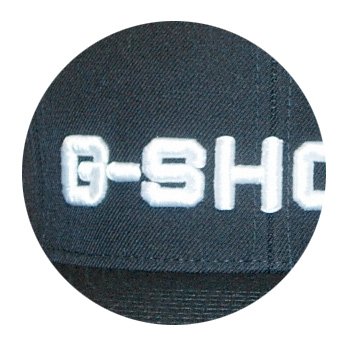
- Design: In our shop, you can choose between single-color and two-color flat embroidery. We are happy to create raised 3D embroidery on request.
- Quality: Direct comparison embroidery and printing shows: embroidery is unbeatable in terms of feel and exclusivity.
Highlights of textile finishing
Embroidery vs. printing: The art of textile finishing
Textile finishing has become an integral part of the advertising industry. The idea is as simple as it is ingenious: clothing acts as living advertising. But precisely because virtually every company uses textile finishing as an advertising measure, it is so important to stand out from the crowd. This can be achieved by choosing the right motif and technique. There are two main methods: embroidery and printing. The choice can significantly influence the character of a product. We provide insights into the differences, advantages, and ideal areas of application so that you can get the most out of your promotional items.
The individual possibilities of textile finishing
Choosing the right technique is a crucial step in personalizing textiles and giving them an individual touch. Whether textile printing or high-quality embroidery—each process has its strengths:
- Screen printing: With this traditional textile finishing technique, the ink is pressed onto the textile through a fine-mesh screen. This cost-effective option is ideal for large print runs and simple graphics. Screen printing impresses with its great color depth and vibrant appearance. Due to the setup costs, it is less
e for small quantities, but offers unbeatable value for money for large quantities. - Transfer printing: Here, the motif is printed onto a special transfer foil and transferred onto the textile using heat. This method is perfect for small print runs with complex designs. It is a popular technique for promotional textiles when it comes to detail accuracy, even if the durability is slightly lower than that of screen printing.
- Digital printing: A modern process in which digital graphics are printed directly onto the fabric. This enables high-resolution designs such as photographs. It is the perfect choice for one-offs or small runs, as there are no setup costs. If you are torn between printing and embroidery and need a photorealistic image, this is the method for you.
- Embroidery: Here, thread is sewn directly into the fabric. Embroidery is an absolute must for high-quality textiles such as shirts, towels, polo shirts, or caps. Durability, a lively feel, and extreme resistance are the clear advantages. Today, we use state-of-the-art embroidery machines, which, however, must be precisely readjusted each time the thread color changes. In a direct comparison between embroidery and printing, embroidery is the most elegant form of brand presentation.
- 3D embroidery: Special foam under the threads gives this typeof textile finishing a three-dimensional effect. This technique makes the design stand out from the surface and creates a striking look that is particularly memorable on sportswear and caps.
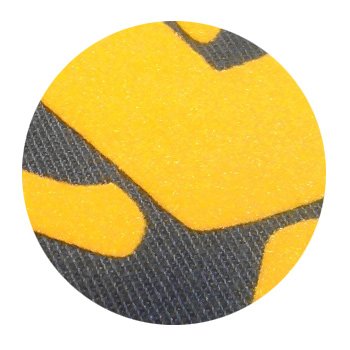
- Flocking: Fine fibers are applied to create a velvety, soft texture. Ideal for fashion items that are intended to offer a special tactile experience.
Choosing the right finishing method for garments
Whether you are looking for a high-quality, one-of-a-kind item as a special gift, uniform workwear for your employees, or a valuable promotional gift for your customers, the finishing method for garments is an important choice that should not be made lightly. Below are the most important points to consider when choosing a textile finishing method:
- Motif to be implemented
- Desired number of pieces
- Material and fabric of the textile
- occasion
Whether clothing should be embroidered or printed depends on many individual factors. Send us an inquiry and include your logo, and we will check whether textile printing or embroidery is more suitable. Rely on our decades of experience and get the most out of your finished textiles.
The 5 most popular textiles for finishing with embroidery and printing
- Beanies: Whether caps or beanies—Beanies the absolute favorite when it comes to embroidering textiles. As the textile that sits at the highest point of the body, they are the perfect showcase for any motif in the field of textile finishing.
- Jackets: This textile stands out thanks to its versatility. The various positions available for finishing mean that there are practically no limits to the design. With screen printing, the screen can be applied practically anywhere to guarantee the best quality.
- work clothes: A uniform appearance is essential for perfect advertising impact. Whether jackets,Beanies shirts—high-quality workwear with a uniform motif sticks in the mind. Professional finishing of textiles in everyday working life puts employees in a good mood and strengthens the image.
- Shirts: T-shirts and polo shirts are the bestsellers when it comes to textile finishing. Whether screen or digital printing is used, printed shirts are always popular and suitable for any occasion. When it comes to printing and embroidery , shirts are the most flexible medium.
- Aprons: Uniform, high-quality aprons are particularly popular in the catering industry. Bright threads in the motif make it stand out especially well.
